

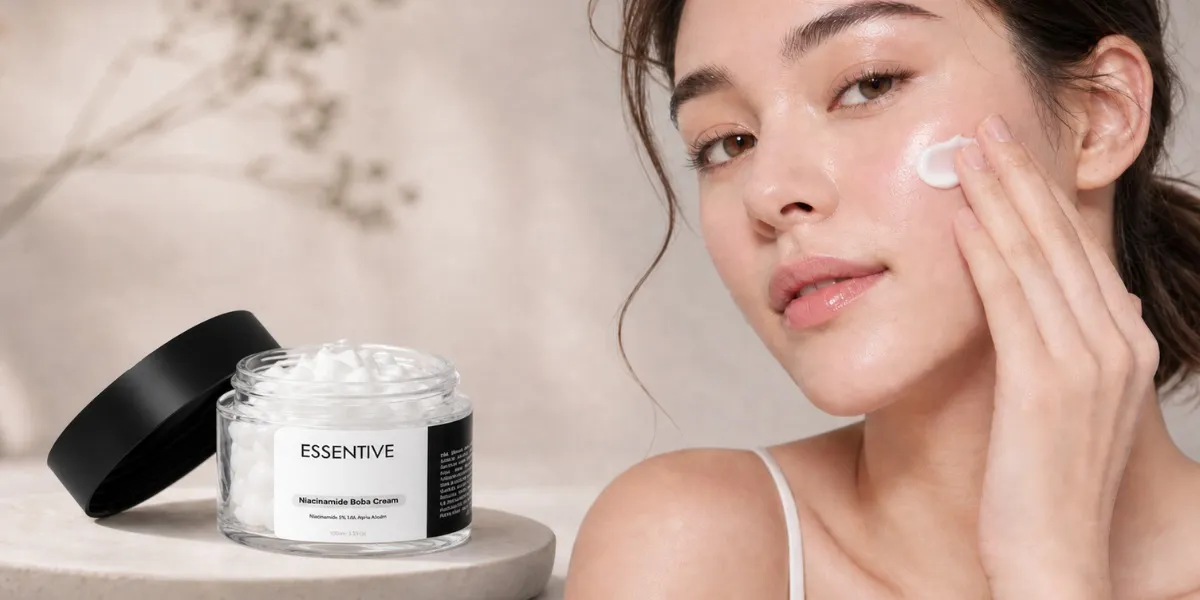
If you want to know how to remove dark spots on your face, the right way is to use a gentle, consistent routine instead of applying too many activities together. A well-formulated niacinamide cream can help improve uneven tone, support the skin barrier, and reduce the appearance of dark spots when layered correctly. For pigmentation concerns, ingredients like niacinamide, tranexamic acid, alpha arbutin, and kojic acid can work well together when used in a balanced formula. A good dark spot removal cream should be lightweight, non-irritating, fragrance-free, and easy to use daily. The best routine is simple: cleanse, apply your niacinamide face cream, moisturise if needed, and always use sunscreen in the morning. Without sunscreen, dark spots can come back or become more visible, even if your skincare product is effective.
Why Niacinamide Is Useful for Dark Spots
Niacinamide is one of the most comfortable skincare ingredients for people dealing with pigmentation, acne marks, dullness, redness, and uneven tone. It works without being too harsh, which makes it suitable for daily use in many routines.
What niacinamide can help with
Niacinamide for skin is commonly used because it may help:
-
Improve the look of uneven skin tone
-
Support the skin barrier
-
Calm visible redness
-
Reduce the appearance of acne marks
-
Make skin look brighter and smoother
-
Keep the skin hydrated without heaviness
A niacinamide face cream is useful because it combines treatment and moisturising benefits in one step. This makes the routine easier, especially for people who do not want to use multiple serums.
What Causes Dark Spots on the Face?
Dark spots usually happen when the skin produces extra melanin in certain areas. This can happen after acne, sun exposure, irritation, hormonal changes, or harsh skincare use.
Common reasons behind dark spots
Some of the most common causes include:
-
Acne marks: Pimples can leave brown or red marks after healing.
-
Sun exposure: UV rays can make pigmentation darker and more stubborn.
-
Skin irritation: Over-exfoliation, strong actives, and scrubbing can trigger marks.
-
Hormonal pigmentation: Some people experience patchy pigmentation due to hormonal changes.
-
Picking pimples: Touching or squeezing acne can increase post-acne marks.
This is why using only a dark spot cream is not enough. You also need to protect the skin, avoid irritation, and give the product enough time to work.
The Right Way to Layer Niacinamide Cream
Layering means applying skincare products in the right order so each product can work properly. The basic rule is simple: apply lighter products first and thicker products later.
Morning skincare order
In the morning, your routine should focus on protection and brightening.
Use this order:
-
Gentle cleanser
-
Hydrating serum, if needed
-
Niacinamide cream or dark spot cream
-
Sunscreen
Your dark spot removal cream should be applied before sunscreen. Sunscreen should always be the last skincare step in the morning.
Night skincare order
At night, your routine should focus on repair and pigmentation care.
Use this order:
-
Cleanser
-
Niacinamide face cream
-
Moisturiser, if your skin feels dry
Night-time is a good time to use brightening ingredients because your skin is not exposed to direct sunlight. However, using more product will not give faster results. A thin, even layer is enough.
Ingredients That Work Well with Niacinamide
A strong pigmentation routine does not need ten products. It needs the right ingredients in the right balance.
Niacinamide with Tranexamic Acid
Tranexamic acid is often used in skincare for uneven tone and visible pigmentation. When used with niacinamide, it can help make the skin look more even and calm.
This combination is useful for:
-
Acne marks
-
Patchy pigmentation
-
Dull-looking skin
-
Uneven skin tone
Niacinamide with Alpha Arbutin
Alpha arbutin is a popular brightening ingredient. It is known for supporting a more even-looking skin tone without feeling too aggressive.
When combined with niacinamide for skin, it can make a dark spot routine more focused and gentle.
Niacinamide with Kojic Acid
Kojic acid is often found in pigmentation-focused skincare. It can support dark spot correction, but it should be used carefully because some people may find it strong.
A balanced formula with niacinamide, kojic acid, alpha arbutin, and tranexamic acid can be a practical option because the ingredients are already measured properly.
Ingredients to Use Carefully with Niacinamide
Niacinamide pairs well with many ingredients, but that does not mean you should layer everything at once.
Be careful with exfoliating acids
Ingredients like glycolic acid, lactic acid, and salicylic acid can help remove dead skin cells. But overusing them can damage the skin barrier and make pigmentation worse.
Use exfoliating acids only once or twice a week if your skin tolerates them.
Be careful with retinol
Retinol can help with texture and ageing signs, but it may irritate sensitive skin. If you use retinol, avoid using too many brightening actives in the same routine.
A safer option is:
-
Niacinamide cream in the morning
-
Retinol on selected nights
-
Dark spot cream on non-retinol nights
Be careful with strong vitamin C
Vitamin C can help with brightness, but sensitive skin may react when vitamin C and multiple pigmentation actives are layered together. If your skin stings or becomes red, keep vitamin C and your dark spot cream in separate routines.
Simple Routine Example for Dark Spots
Here is an easy example for someone dealing with acne marks and uneven tone.
Morning routine example
Cleanse your face with a mild cleanser. Apply a lightweight niacinamide cream all over the face or only on affected areas, depending on the product instructions. After that, apply sunscreen generously.
This routine helps protect the skin during the day and prevents dark spots from becoming deeper.
Night routine example
At night, cleanse your face properly to remove sunscreen, sweat, and pollution. Apply your dark spot removal cream in a thin layer. If your skin feels dry, apply a simple moisturiser after it.
This keeps the routine focused without overloading the skin.
Common Mistakes to Avoid While Treating Dark Spots
Many people do the right thing once or twice, then ruin their progress by making small mistakes daily.
Avoid these mistakes
-
Do not skip sunscreen.
-
Do not apply too many actives together.
-
Do not scrub dark spots aggressively.
-
Do not expect results in one week.
-
Do not use a thick layer of product thinking it will work faster.
-
Do not pick acne or scratch healing pimples.
Dark spots take time. Most people need consistent use for a few weeks before visible improvement starts appearing.
How Long Does Niacinamide Take to Work?
A niacinamide face cream does not remove pigmentation overnight. The skin needs time to renew and repair.
Usually, you may notice:
-
Better hydration in a few days
-
Calmer-looking skin in 1 to 2 weeks
-
More even tone in 3 to 4 weeks
-
Visible improvement in dark spots with longer consistent use
Results depend on the depth of pigmentation, sun exposure, skin type, and how regularly you use the product.
Conclusion
If you are trying to understand how to remove dark spots on your face, remember that layering matters as much as the product itself. A good niacinamide cream can support brighter, smoother, and more even-looking skin when used with the right ingredients and sunscreen.
The strongest takeaway is simple: do not overload your skin. Use a balanced dark spot cream, apply it in the correct order, protect your skin from the sun, and stay consistent. Dark spots fade best when the routine is gentle, focused, and easy to follow every day.
FAQs
1. Can niacinamide remove dark spots?
Niacinamide can help reduce the appearance of dark spots over time. It works best when used regularly with sunscreen.
2. When should I apply niacinamide cream?
Apply niacinamide cream after cleansing. In the morning, follow it with sunscreen. At night, follow with moisturiser if needed.
3. Can I use niacinamide with kojic acid?
Yes, niacinamide and kojic acid can be used together when they are part of a balanced formula. Avoid adding too many strong actives with them.
4. Is dark spot cream safe for daily use?
Most gentle dark spot cream formulas can be used daily, but always start slowly if your skin is sensitive.
5. Why are my dark spots not fading?
Dark spots may not fade if you skip sunscreen, pick acne, over-exfoliate, or use products inconsistently.
6. What is the best routine for dark spots?
A simple routine works best: cleanser, niacinamide face cream, moisturiser if needed, and sunscreen every morning.
