

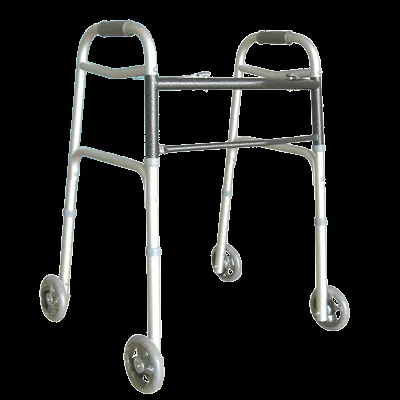
Buying a walker for a child brings different concerns than sourcing adult mobility equipment, since growth spurts and smaller frames change the whole equation entirely. Prices vary considerably between suppliers, sizing options differ more than parents and clinics expect, and some vendors treat pediatric equipment as an afterthought rather than a specialized category needing real attention. Whether you’re a clinic ordering in bulk or a parent sourcing directly, understanding what makes a genuine Medical Walker for Children in Chile worth the investment saves both money and unnecessary frustration. This guide covers what actually matters during procurement.
Sizing Range and Growth Accommodation
Children grow fast, sometimes faster than equipment budgets can keep pace with realistically over a single year. Ask suppliers about adjustable height ranges specifically designed to accommodate growth spurts without requiring an entirely new purchase every few months. A walker that only fits for six months before becoming useless wastes money and creates unnecessary disruption to a child’s mobility routine. Look for models offering generous adjustment ranges built directly into the frame design itself.
Frame Weight for Small Users
Lightweight construction matters enormously for children, since a heavy frame becomes exhausting to maneuver for a small user still building strength and coordination. Aluminum frames typically work better than steel here, balancing durability against manageable weight for young users. A reliable Medical Wheelchair Manufacturer in Argentina faces similar weight considerations across their pediatric product lines, and that same attention should carry over into walker sourcing decisions too; always ask for exact frame weight specifications upfront.
Safety Features Built for Kids
Children move unpredictably, more so than adult users generally do, which means safety features need extra consideration during the sourcing process itself. Ask about tip resistance testing specifically calibrated for pediatric weight ranges and movement patterns, not just standard adult testing data reused generically. Rounded edges, secure locking mechanisms, and stable wide bases all matter considerably more here than they might for adult equipment. Skipping these checks risks injuries nobody wants to explain to worried parents later.
Comfort and Grip Considerations
Handle height and grip design affect whether a child actually wants to use their walker consistently, which matters more than adults often realize going in. Small hands need appropriately sized grips, not scaled-down adult handles that still feel awkward and oversized. Ask suppliers about ergonomic grip options designed specifically for smaller hand sizes and developing coordination skills. A walker that feels uncomfortable gets abandoned quickly, defeating the entire purpose of the purchase in the first place.
Comparing Vendor Pricing Structures
Lowest quoted price rarely reflects genuine long-term value once growth-related replacements enter the picture across a few years of regular use. Request itemized quotes covering base cost, adjustment hardware, and any available trade-in or upgrade programs clearly spelled out beforehand. Compare at least three vendors side by side before deciding anything, since pricing structures vary more than parents or clinics typically expect walking into these conversations. Factor total cost across the growth period realistically, not just today’s number.
Delivery Timelines and Fitting Support
Lead times swing considerably between suppliers, sometimes differing by several weeks for essentially comparable pediatric walker models and specifications offered. Confirm realistic delivery estimates upfront rather than accepting overly optimistic numbers salespeople quote just to close a sale quickly. Ask whether proper fitting guidance comes included, since pediatric equipment genuinely benefits from professional adjustment rather than guesswork at home without any real reference point. Vendors experienced with pediatric mobility equipment typically offer more thorough fitting support overall.
Checking Warranty and Replacement Policies
Warranty terms reveal quite a lot about how confident a manufacturer feels regarding their own pediatric product line specifically, even when unstated directly. Look for coverage extending through reasonable growth periods, along with clear policies on upgrading to larger sizes as children outgrow current equipment naturally. Ask about local repair support too, since shipping equipment back overseas for warranty service wastes valuable time when a child actively needs working mobility equipment daily without interruption.
Conclusion
Sourcing a pediatric walker properly requires more attention than many buyers initially expect when they first start the procurement process itself. From sizing flexibility to safety features to realistic delivery timelines, each factor shapes whether the equipment genuinely serves a growing child well across months of active daily use, not just the initial purchase moment. Taking time to verify specifications, test fit carefully, and compare vendors thoroughly pays off considerably as needs change and children continue growing. A little patience here, even when it feels slow, tends to prevent costly replacements and frustration for both parents and clinical staff.
