

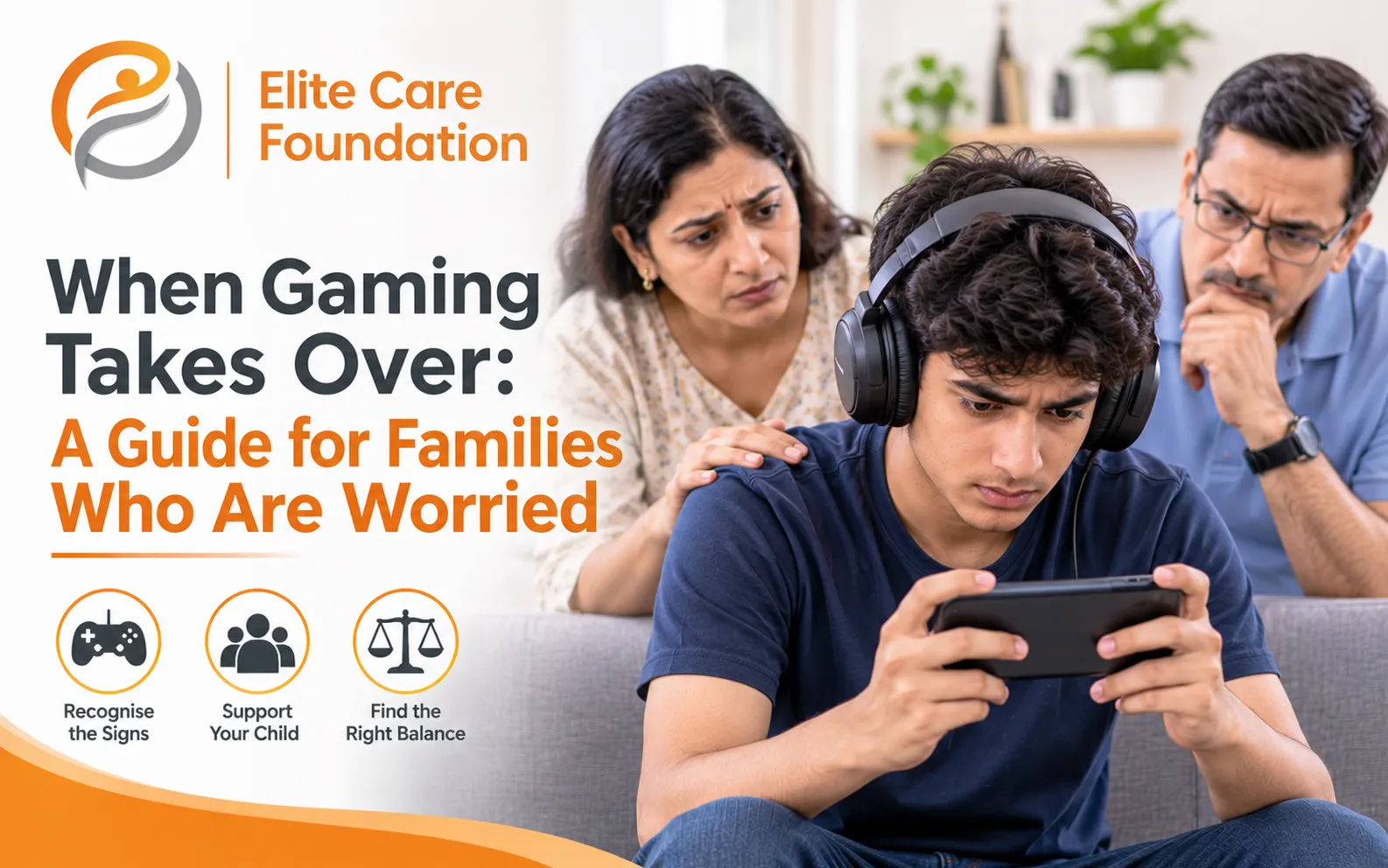
A long gaming session does not automatically mean illness. Many young people spend hours playing with friends and still manage school, family life and sleep. Concern grows when the game repeatedly takes priority over these responsibilities and the person cannot adjust their behaviour despite obvious consequences. The distinction matters, because families need help with genuine impairment, not a new reason to quarrel about every screen.
“How many hours is too many?” seems like a simple question, but it rarely gives a useful answer. A more revealing one is whether the person can stop when needed, keep their commitments and enjoy other parts of life.
How doctors distinguish enthusiasm from a disorder
The WHO includes gaming disorder in ICD-11. Its criteria involve impaired control over gaming, gaming becoming more important than other activities, and continuing or increasing gaming despite negative consequences. The pattern must cause significant impairment in personal, family, educational, social or work life. WHO says it would normally have been evident for at least 12 months.
This threshold matters. Not every player who has a late night or becomes upset after losing a match has a disorder. Equally, a good examination score does not erase every concern if health, sleep or relationships are suffering. Diagnosis requires an individual assessment, not an internet quiz or a parent’s impression.
For a week or two, it may help to note what is actually happening: classes missed, sleep lost, meals skipped or promises about stopping that repeatedly collapse. Do not make the record a secret surveillance project. It is simply a way to replace general complaints such as “always gaming” with details a clinician can assess.
What makes switching off difficult?
Games can offer friendship, achievement, routine and a sense of control. For someone feeling lonely or overwhelmed, that can make switching off especially difficult. Removing a device without understanding its role may intensify conflict and leave the underlying difficulty untouched.
Assessment may therefore explore anxiety, low mood, attention difficulties, bullying, social isolation and family stress. It may also identify that gaming itself is not the primary disorder. One child needs help with sleep and study habits; another needs treatment for depression; a smaller group may meet the criteria for gaming disorder.
Parents can ask curious, concrete questions. What is enjoyable about the game? Which friendships exist there? When does the person feel unable to stop? What happens on days when they do not play? This conversation can reveal both the rewards that sustain the behaviour and the harm that needs attention.
What practical support can look like
Changes are easier to maintain when they are agreed rather than imposed during an argument. A household might introduce a predictable sleep schedule, screen-free meals and clear limits around school or work commitments. It can help to replace lost gaming time with something meaningful, not merely an empty instruction to “go outside”.
Support may involve psychological therapy, family work, healthier routines and treatment for related difficulties such as anxiety or depression. Research on treatment approaches continues to develop, and no responsible professional can promise a cure after a fixed period without games. When exploring gaming addiction treatment, ask how progress will be measured in school, work, sleep and relationships as well as playing time.
A nasha mukti kendra in Mumbai may also advertise help for behavioural problems. Check who conducts gaming-related assessments and whether the team has appropriate mental health training. A medical protocol used for alcohol withdrawal is not a treatment plan for gaming disorder.
A realistic conversation with a young person
Try discussing two or three observable difficulties rather than the game itself. “You have missed breakfast on most school days this week and you are too tired to attend class” invites problem-solving. “Gaming has destroyed your future” invites defensiveness.
If boundaries are needed, make them specific and review them. Teenagers should have a voice in reasonable decisions while parents retain responsibility for safety. With adults, negotiated boundaries and respect for independence matter. In either case, threats and public shaming can damage the trust needed for treatment.
There is also a safety distinction. Severe depression, threats of self-harm, aggression that cannot be contained safely or several nights without meaningful sleep may require urgent professional assessment. Those situations should not be dismissed as ordinary gaming behaviour.
Look for changes beyond playing time
A useful outcome is not only fewer screen hours. Look for restored sleep, reliable attendance, improved relationships, hobbies returning and the ability to stop gaming when necessary. Some people may choose to stop particular games altogether; others may work towards controlled use, depending on the clinical situation.
A person need not abandon every game to show improvement. Sometimes the most meaningful changes are ordinary: getting up for class, sleeping through the night, seeing friends outside a game and being able to stop when another responsibility needs attention. Those outcomes deserve more attention than any dramatic claim about screen time alone.
