

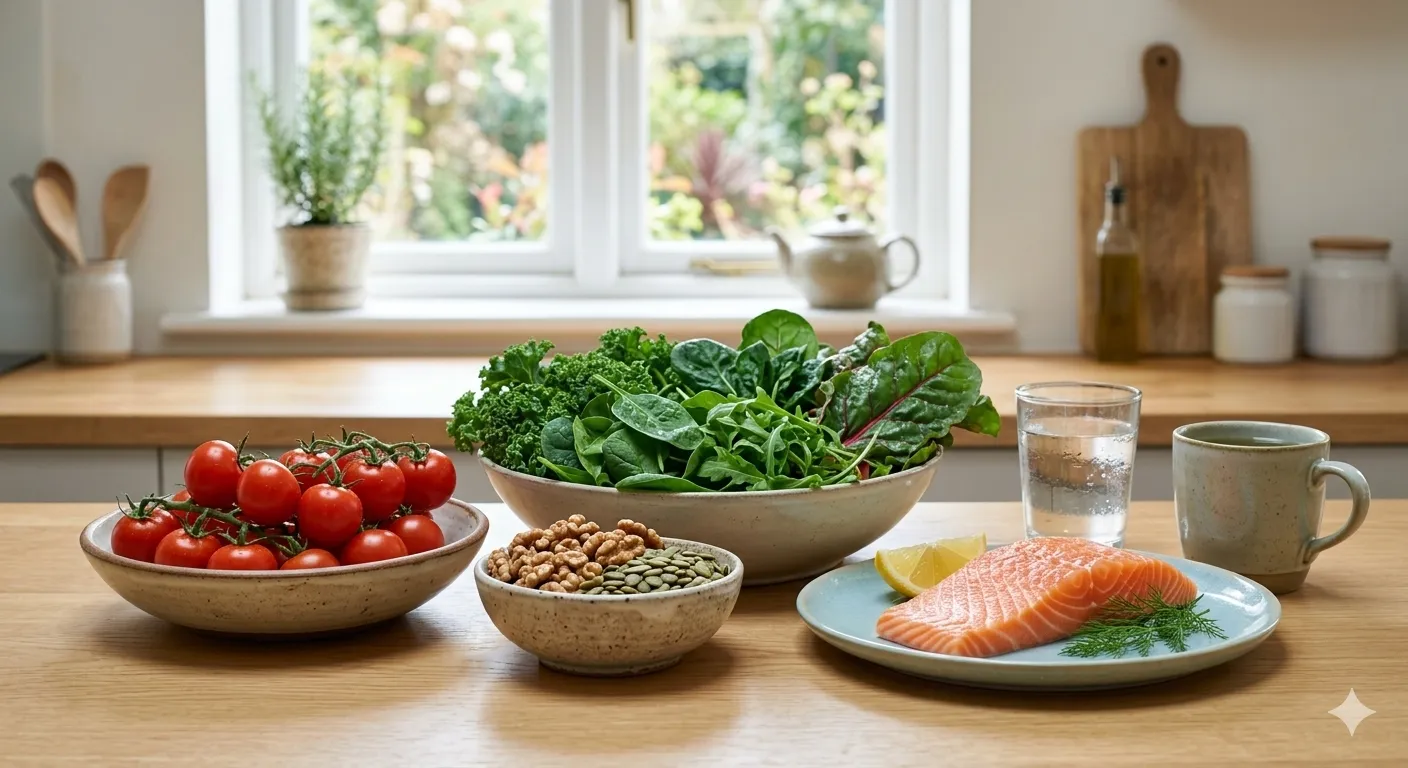
Walk into any health store, and you will find shelves of capsules promising comfort for the prostate. Before reaching for one, it helps to look at the plate first. Food forms the foundation of good nutrition, and any supplement for prostate health should be considered alongside a balanced diet rather than as a replacement for healthy eating. Here is a realistic, evidence-aware look at what men can do in the kitchen.
Why Diet Gets So Much Attention
Researchers have long noticed that eating patterns differ widely across regions, and so do rates of prostate conditions. That does not prove food is the cause, since lifestyle, genetics and healthcare access all differ too. Still, diet influences weight, inflammation and hormone balance, all of which connect to prostate comfort. A good eating pattern is rarely harmful, and it benefits the heart, gut and energy levels at the same time.
Colourful Produce and Lycopene
Lycopene is the pigment that gives tomatoes, watermelon and pink grapefruit their red tones. It has been studied in connection with prostate health, and some observational research links higher intake with better outcomes, although results are not uniform. Cooking tomatoes with a little olive oil helps the body absorb lycopene more easily, so sauces and soups are a practical choice. Rather than chasing a single food, aim for variety across the colour spectrum, since different pigments offer different protective compounds.
Cruciferous Vegetables
Broccoli, cauliflower, cabbage and kale contain natural compounds called glucosinolates, which the body converts into substances studied for their protective effects. Lightly steaming these vegetables preserves more of the helpful compounds than boiling them for a long time. Adding a portion to a few meals each week is a simple, low-cost habit that also supports digestion through added fibre.
Zinc, Selenium and Other Minerals
The prostate naturally holds a relatively high concentration of zinc, and the mineral takes part in many cellular processes. Pumpkin seeds, chickpeas, lentils and shellfish are good dietary sources. Selenium, found in Brazil nuts, fish and eggs, is another mineral that often appears in discussions of prostate nutrition. A word of caution applies, though. More is not better. Large clinical trials have shown that high-dose selenium or vitamin E supplements did not protect men as hoped, and in some cases raised concerns. Getting these nutrients mainly from food, and checking with a doctor before taking concentrated doses, is the safer route.
Healthy Fats and Fish
Fatty fish such as salmon, sardines and mackerel provide omega-3 fats, which are linked with lower inflammation in general. Olive oil, nuts and seeds offer additional healthy fats. Meanwhile, diets heavy in processed meats and fried foods tend to promote weight gain and inflammation, so keeping them occasional is a reasonable guideline. Red meat does not need to vanish, but smaller portions and leaner cuts make sense.
Hydration, Caffeine and Alcohol
Drinking enough water supports urinary health, yet timing matters. Many men who wake at night find relief by drinking more earlier in the day and tapering fluids in the two or three hours before bed. Caffeine and alcohol can irritate the bladder and increase urgency in sensitive people, so noticing how your body responds is more useful than following a rigid rule.
Where Supplements May Help, and Where They Do Not
Supplements can fill gaps when diet falls short, but they cannot undo a poor eating pattern. Ingredients such as saw palmetto, pygeum and beta-sitosterol are commonly found in this category, and research on them has produced mixed findings. Some men report improvement while large reviews show limited benefit over placebo. Honest expectations protect you from disappointment and wasted money. If you decide to try one, give it a fair period, track your symptoms, and review the results with your healthcare provider.
Putting It Into Practice
Begin with small changes. Add a vegetable to dinner, swap one processed snack for nuts or seeds, and choose fish twice a week. Cook tomatoes with olive oil, and keep an eye on portion sizes. Over a few months, these habits become automatic, and they do not require expensive products or complicated rules.
Conclusion
Nutrition will not guarantee a trouble-free prostate, but it stacks the odds in a healthier direction and supports your entire body at the same time. Build your meals around plants, fish and whole foods, treat supplements as a supporting actor and stay open with your doctor about both. If you want to compare formulations once your diet is on track, medarishealth.com is there to browse at your own pace. The best results usually come from patient routines rather than quick fixes.
