

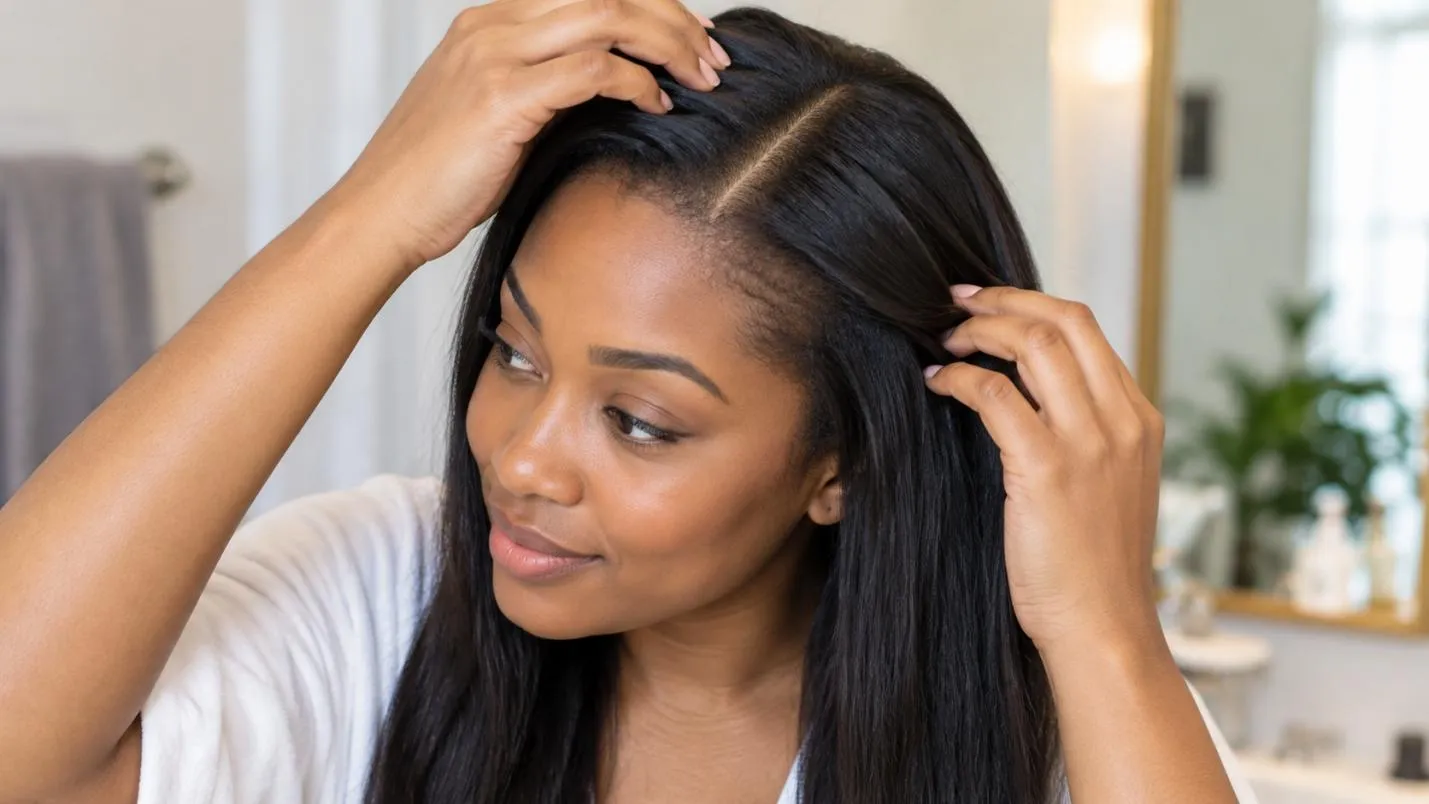
Beautiful, straight hairstyles should never come at the expense of a healthy scalp. Whether you love a sleek sew-in, a natural-looking weave, or removable extensions, caring for the scalp underneath is just as important as maintaining the hair itself. For Black women with chemically relaxed hair or naturally textured strands, extensions can offer styling versatility while reducing daily manipulation. However, sweat, styling products, tight installations, and neglected cleansing routines can lead to dryness, itching, and discomfort. The good news? Maintaining a healthy scalp doesn’t require an expensive collection of products or complicated treatments. With gentle cleansing, balanced moisture, and a few thoughtful habits, you can keep your scalp comfortable and your natural hair healthy while enjoying your favorite relaxed straight hairstyles.
1. Understand Your Scalp’s Needs Before Installing Extensions
Natural and textured hair often requires special attention because its unique structure can make distributing natural scalp oils along the hair shaft more difficult. When wearing Relaxed Hair Extensions, maintaining a healthy environment underneath the installation should be a priority. Start with a clean scalp, properly conditioned natural hair, and a comfortable foundation that doesn’t place unnecessary stress on your roots.
If your hair has been chemically relaxed, pay extra attention to sensitivity before installing extensions. Relaxers can irritate the scalp, particularly when applied incorrectly or over already irritated skin. Avoid installing tight braids or extensions immediately after experiencing chemical irritation, burning, or scalp tenderness.
Before your appointment, consider these simple preparation steps:
-
Wash your scalp with a gentle shampoo to remove existing buildup.
-
Condition your natural strands to improve softness and manageability.
-
Allow irritated areas to heal before adding extensions.
-
Choose an installation method that minimizes pulling around the hairline.
2. Keep Your Scalp Clean Without Stripping Away Moisture
A clean scalp supports comfortable extension wear. Sweat, dead skin cells, and styling residue can accumulate beneath sew-ins, especially when extensions are worn for several weeks. Although protective hairstyles reduce daily manipulation, they don’t eliminate the need for regular cleansing.
Natural and textured hair benefits from a cleansing routine that respects its moisture needs. Women who prefer Relaxed Straight Hair Extensions Clip Ins may find scalp maintenance particularly convenient because removable pieces provide easier access to the roots during washing and conditioning.
For sew-ins, use a diluted, gentle shampoo in an applicator bottle to reach exposed scalp sections. Massage lightly with your fingertips, rinse thoroughly, and carefully dry the braided foundation. Depending on your scalp condition, activity level, and hairstyle, washing every one to two weeks may be appropriate.
Avoid leaving the foundation damp for extended periods. Trapped moisture can contribute to unpleasant odors and irritation. Use a blow-dryer on a cool or low setting when necessary, making sure the braids underneath are completely dry.
3. Prevent Dryness, Itching, and Product Buildup
Scalp dryness is a common concern when wearing straight extensions, but applying heavy oils every day isn’t necessarily the solution. Excessive oiling can attract dirt, trap residue, and make cleansing more difficult. Instead, focus on identifying what your scalp actually needs.
If your scalp feels tight or dry, consider a lightweight, fragrance-free scalp moisturizer applied sparingly to accessible areas. Remember that oils primarily help reduce moisture loss; they don’t replace cleansing or necessarily treat the underlying cause of itching.
Try these practical habits to maintain comfort:
-
Avoid layering multiple oils, gels, and scalp sprays.
-
Choose lightweight products that rinse away easily.
-
Keep styling products away from irritated skin.
-
Cleanse after excessive sweating rather than covering odors with fragrances.
-
Never scratch aggressively with combs or sharp objects.
Persistent itching accompanied by flakes, redness, sores, or tenderness shouldn’t automatically be dismissed as dryness. Conditions such as seborrheic dermatitis or contact dermatitis may require specific treatment. Consult a dermatologist if symptoms continue or worsen.
4. Protect Your Hairline and Reduce Tension on Your Roots
One overlooked aspect of scalp health is installation tension. Tight braids, heavy bundles, and excessive pulling around the edges can place repeated stress on hair follicles. Over time, this may contribute to traction alopecia, a form of hair loss associated with prolonged tension.
Your hairstyle should feel secure, not painful. If your scalp throbs, develops bumps, or feels unusually tender after installation, don’t assume the discomfort is normal. Ask your stylist to loosen the affected areas or remove the installation when necessary.
For healthier everyday wear, rotate your parting occasionally, avoid repeatedly pulling extensions into tight ponytails, and give your hairline a break from tension-heavy styles. Removable extensions should also be positioned gently, without repeatedly clipping onto fragile or thinning areas.
Finally, schedule regular maintenance instead of leaving sew-ins installed indefinitely. The appropriate removal schedule depends on your hair’s condition and installation method, but extended wear without proper access for cleansing and inspection can increase the risk of tangling and breakage.
Healthy Hair Tips to Remember
A beautiful straight hairstyle begins with a comfortable, well-maintained scalp. You don’t need an elaborate routine to achieve this. Consistent cleansing, gentle handling, adequate drying, and mindful product use can make a meaningful difference in how your natural hair feels underneath extensions.
Most importantly, listen to your scalp. Discomfort, persistent itching, and excessive tension are signs worth addressing rather than ignoring. When you prioritize scalp health alongside your preferred hairstyle, you create better conditions for protecting your natural strands while enjoying the versatility and confidence of beautiful straight hair.
